Crime / City Hall
A man was shot four times. A city councillor deleted the tape.
Leticia Munoz was accused of killing Nourdine Taghi outside Sacred Heart Shelter. Zara Melikian was convicted after the camera record was deleted and investigators were told the system had been offline.
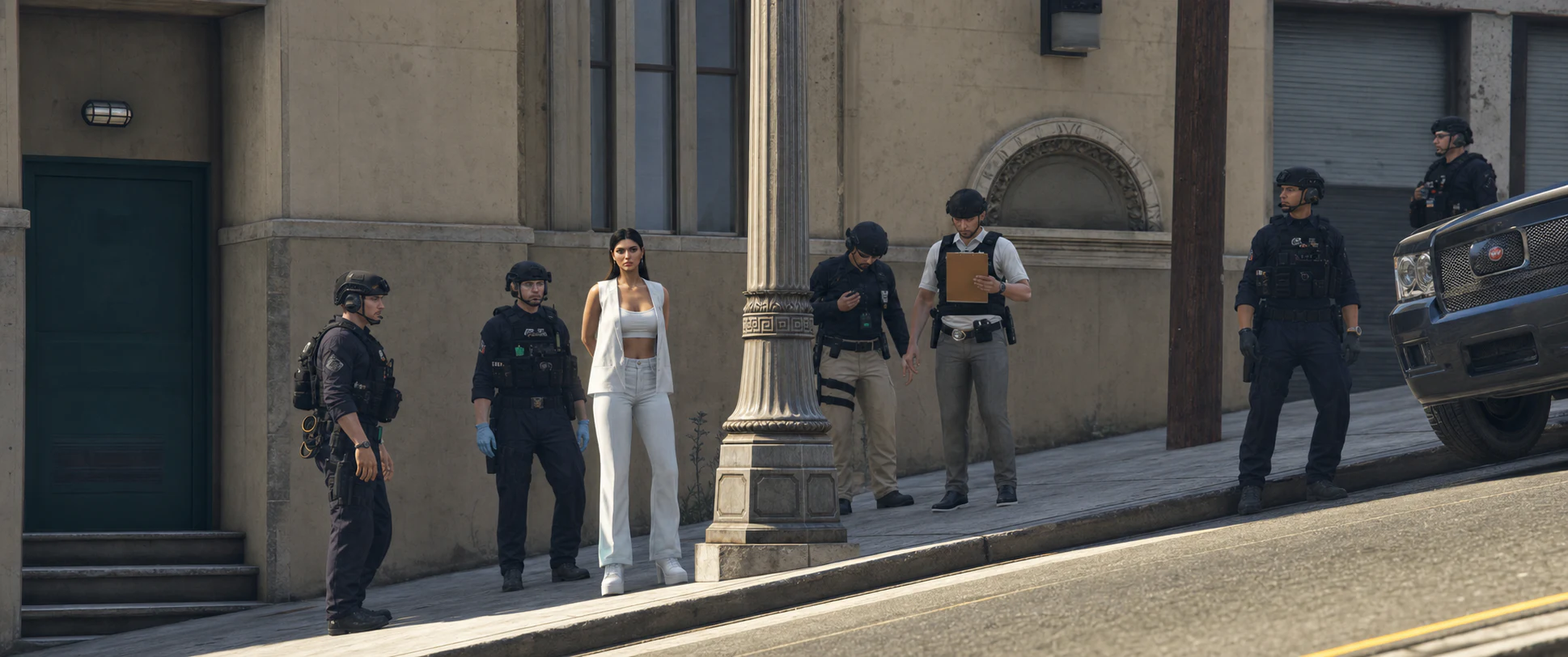
Nourdine Taghi was shot four times outside Sacred Heart Shelter on the afternoon of February 15. The cameras over the Downtown shelter recorded the brawl before the gunfire, the shooting itself and the people moving through Little Bighorn Avenue. The footage survived. The first official account of it did not.
Police case files released to Insider News Network identify Leticia Munoz as the woman who drew a Sig Sauer P226 after joining the fight and fired at Taghi between 5:15 and 5:17 p.m. Medical examiner Roger McFarlane ruled the death a homicide. A ballistics report later matched the pistol seized from Munoz to cartridge casings recovered at the scene.
The same file places Downtown district councillor Zara Melikian inside the sequence from its first punches. Camera logs show Melikian fighting with Taghi and another man, Munoz helping her back to her feet and Melikian entering the shelter as police arrived. Investigators did not accuse Melikian of pulling the trigger. They accused her of using her access to suppress the camera record that identified the shooter.
Detectives recovered and reviewed footage from the shelter cameras at about 5:41 p.m., according to the published chronology. Less than an hour after the shooting, Melikian appeared at Mission Row station to give a statement. A sworn police affidavit described her with a nose cast, bruising around both eyes and apparent blood on her shirt. It also said she told investigators that the Sacred Heart camera system had been offline and footage was unavailable.
The footage disproved that account. The case file contained exterior-camera records showing the fight and shooting. Investigators said Melikian accessed the system, deleted material and lied about the outage to delay Munoz's identification and arrest. Munoz had fled; Melikian's statement bought her time.
Melikian was arrested in a public operation in February and initially faced seven allegations, including accessory to second-degree murder, evidence tampering, neglect of public duty, lying to government agents, burglary, resisting arrest and vandalism. Those were charges, not findings. The court later convicted her of accessory to manslaughter, attempted evidence tampering, lying to government agents, vandalism and burglary, according to the public verdict record and contemporaneous reporting.
Prosecutors did not prove every charge attached to the arrest. The murder-accessory allegation ended as accessory to manslaughter, and several original counts did not survive. The verdict still established that a sitting city councillor obstructed the evidence trail after a killing and interfered with the shelter system to do it.
Melikian served her sentence, resigned and later challenged the fairness and coherence of the proceeding in an interview with INN. Her defense counsel did not provide the promised response to that outlet. Her objections remain part of the record. So do five convictions tied to the homicide's aftermath and the destruction of evidence.
City Hall's problem reaches beyond one former councillor. Sacred Heart Shelter held a camera record capable of identifying a homicide suspect, yet a district representative interfered with it before the case was secured. The administration should disclose who could access the system, whether deletions were logged, when backups were created, who audited the footage and what changed after the conviction.
Mayor Andrew Brandenburg's administration has repeatedly advertised transparency and improved public systems. The Sacred Heart record is where those claims meet a four-shot homicide. The city should publish the shelter's retention policy, the access controls in force on February 15 and any review completed after Melikian's case. A promise to protect records means less after the record has already walked into court as evidence of a crime.
Munoz remains the person police identified as Taghi's shooter. Melikian's case established a separate crime: a city councillor interfered with evidence that could identify a killer, then gave investigators a false account of the camera system.
The footage preserved the fight, the shooting and the movements that led investigators to Munoz. It also exposed the lie about an outage. City Hall now owns a records-security failure that reached from a publicly supported shelter into a homicide prosecution. Who else could access the Sacred Heart cameras, and what now stops another official from deleting the next tape?