City Hall / Public safety
Deputies get machine guns. The mayor gets the memo too late.
Memorandum 2601 expands the equipment deputies may carry during shootings and routine calls. The county calls it an answer to violent crime. Mayor Andrew Brandenburg says he learned about it on Facebrowser.
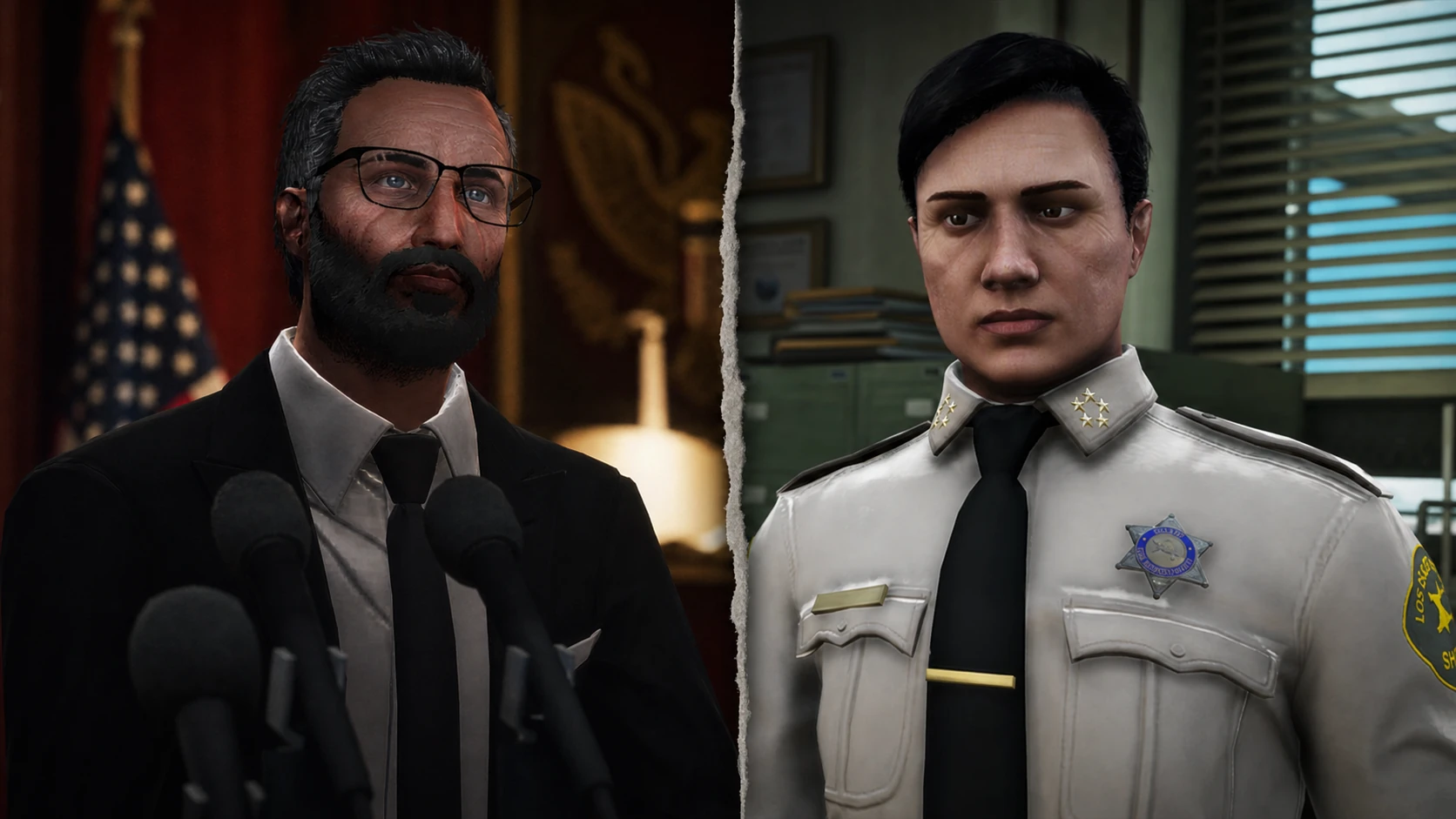
Memorandum 2601 is an equipment-and-deployment order issued by the Los Santos County Sheriff's Department. The department calls it the Special Escalation Notice. Its public explanation says deputies may deploy carbine rifles when responding to incidents involving firearms, wear external plate carriers on any call for service and carry ballistic helmets at their discretion.
Supervisors may also authorize shotguns and less-lethal equipment when a call requires them, subject to existing department policy. The account published by Insider News Network does not describe a curfew, new search powers or a new use-of-force standard. The immediate change is simpler and more visible: deputies can arrive at more calls carrying heavier protective and tactical equipment.
The Sheriff's Department says the order responds to escalating attacks on deputies, rising homicide numbers, firearm violence and what it described as increasing street terrorism. It announced the policy through a public-safety notice on its website and social accounts. Memorandum 2601 remains in effect.
The order moves tactical equipment into ordinary patrol work. Residents can now encounter deputies in external armor on routine calls, while helmets and carbines may appear earlier at firearm incidents. LSSD has not published the deployment thresholds, supervisor reports or review process that would show whether the equipment is used consistently or produces safer outcomes.
The full memorandum is not public. INN requested it under the San Andreas Freedom of Information Act and was denied. LSSD cited Section V(a)(5), which exempts agency manuals, procedures, operational guides and internal instructions from disclosure. INN then asked for a redacted copy or public summary. It reported no further answer before publication.
The political fight began because Mayor Andrew Brandenburg did not receive even that explanation in advance. He told INN he first saw the announcement on Facebrowser, then contacted Sheriff Grant Mendez and requested a meeting. Brandenburg urged residents not to assume the city was entering a state of emergency, but said publishing an alarming notice without details invited panic and speculation.
LSSD confirmed that it sent no formal notice to the mayor or City Government. The department said it does not report to City Hall, county officials were informed and the public received notice through LSSD's own channels. The sheriff did not need the mayor's permission. He used that independence as a reason not to warn the city before changing what deputies may carry onto its streets.
Jurisdiction explains the chain of command; it does not excuse the communication failure. City hospitals, emergency services, streets and residents will absorb the consequences of the escalation. LSSD controls its deputies, but City Hall should not learn about a major change in their visible armament from the same public post as everyone else.
Brandenburg had already promised to fix this. At a December 2025 press conference, he said neither he nor his staff kept records of an earlier public-safety meeting because the Sheriff's Department organized it. He promised to discuss communication with Mendez. Seven months later, the mayor learned of the sheriff's new escalation order on Facebrowser.
LSSD says violent crime and attacks on deputies justify the order. It should publish the figures it used, the order's duration, the official who reviews it and whether use-of-force rules changed. None of those disclosures would expose tactical instructions. Without them, the department is asking the public to accept heavier weapons on the strength of an alarming label and an undisclosed record.
Memorandum 2601 has already changed the street: deputies have broader access to carbines, armor, helmets and supervisor-approved weapons. It has also exposed a government failure that both men now own. Mendez issued the escalation without warning City Hall. Brandenburg learned of it through social media despite promising better coordination. Who signed Memorandum 2601, what crime figures justified it, and when does the order expire?