Homicide / Vinewood
Two men were murdered on Spanish Avenue. The suspect went to a backyard party.
Deputies searching San Vitus for Hector Zamora found him among a crowd. An unrelated shooting suspect was standing nearby with a pistol and narcotics.
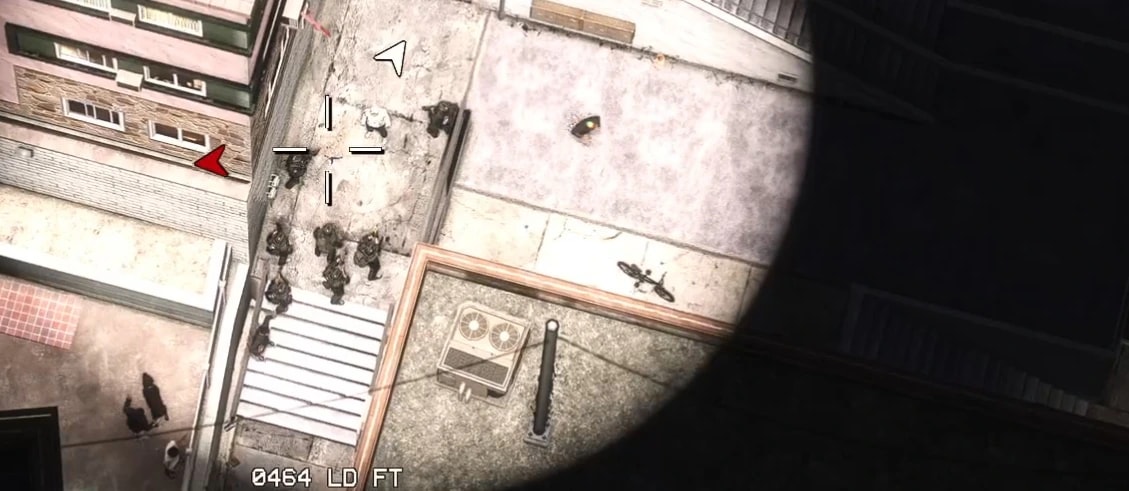
Two men were found shot dead near Spanish Avenue. Seven days later, the suspect wanted in their killings was at a backyard party in San Vitus, according to the Sheriff's Department. A second man at the same party was wanted in another shooting and allegedly carried a pistol and narcotics.
Deputies responded to Spanish Avenue at about 1:15 a.m. on October 19 and found two gunshot victims. Both were pronounced dead. The Homicide Bureau identified Hector Zamora as a suspect and obtained a warrant alleging two counts of second-degree murder and one count of discharging a firearm in public.
Shortly before 11:45 p.m. on October 26, investigators received information that Zamora was in a backyard near San Vitus Boulevard and North Archer Avenue. Homicide detectives, tactical deputies, gang investigators and an LSPD air unit moved into the area and disrupted what the department described as a large-scale party.
Zamora was identified in the crowd and ran as deputies approached. He was caught shortly afterward. The release does not say whether a firearm was recovered from him, what evidence connected him to the Spanish Avenue killings or whether anyone at the party was accused of hiding him.
The warrant alleged second-degree murder rather than first-degree murder. The release does not explain the charging theory, describe a motive or state whether investigators believed the shooting was planned. It supplies the time and street of the deaths, then jumps one week to the backyard arrest. The investigative bridge between those points remains sealed.
During the same operation, a gang investigator recognized Raulo Rayo, whom the department described as a suspect in an unrelated shooting. Tactical and air units coordinated his arrest. Deputies said Rayo possessed a Taurus pistol and a large quantity of narcotics; additional charges remained pending.
The phrase 'large quantity' is not an evidence weight. The department did not identify the substance, amount or packaging and did not say whether the Taurus was connected to Rayo's alleged shooting. Those omissions prevent the public from separating the reason officers wanted him before the party from the evidence they say they found there.
The word unrelated carries weight. Sharing a backyard does not prove Zamora and Rayo committed crimes together, belonged to the same organization or even arrived together. The department announced the arrests in one release because one operation produced both. It did not announce one conspiracy.
The victims remain unnamed in the release, leaving the public account weighted almost entirely toward the men arrested. Identifying victims can be delayed for family notification or investigative reasons, but a homicide record should not permanently reduce two dead people to the location where deputies found them. If the names can now be released, they belong in the case history.
A homicide arrest team entered a crowded residential party looking for one man and found a second shooting suspect who was allegedly armed. The release reports no injuries, gunfire or use of force during either arrest. It also omits the number of bystanders and how officers controlled the perimeter.
Air support and tactical teams reduce some risks and create others. A helicopter can maintain sight without sending officers blindly through yards; a large armed entry around party guests can also produce confusion quickly. The release says Zamora fled and was captured shortly afterward. It reports no guest resisting, interfering or being arrested. Their presence establishes a crowded arrest scene, not participation in either case.
The department should publish the case numbers, charging documents and dispositions for both men. Zamora's arrest concerned two deaths. Rayo's concerned a separate shooting and newly recovered evidence. Combining the announcement may be efficient; combining the facts would be false.
The same backyard produced two arrests. It did not produce one case. Which evidence belonged to Hector Zamora, which belonged to Raymond Rayo, and what did prosecutors prove against each man?